
When Stillness Feels Unsafe: Why Rest Can Be the Hardest Practice
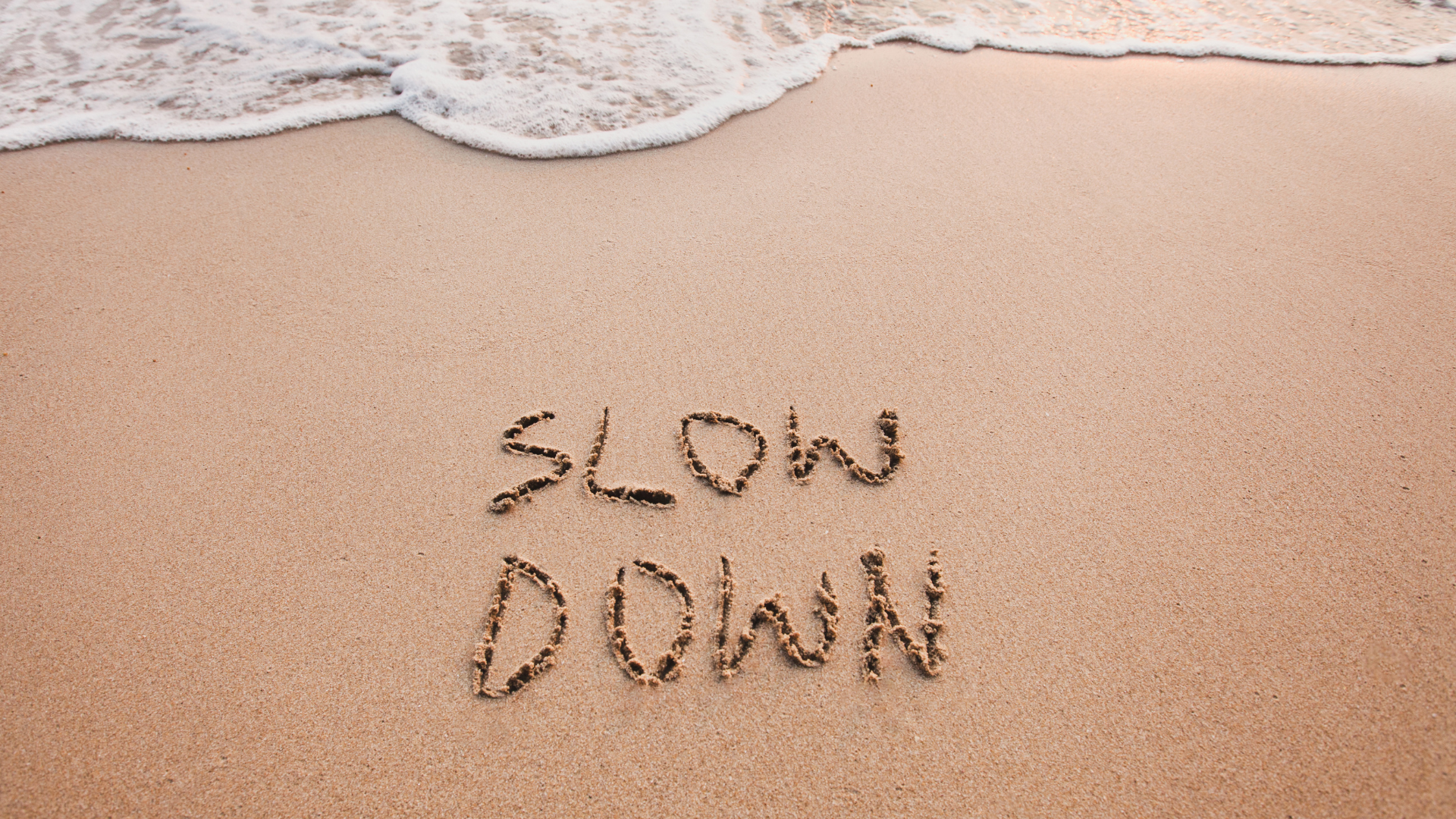
For high-achievers, caregivers, helpers, and those healing trauma
When slowing down doesn’t feel soothing
Rest is supposed to feel good.
Calming. Nourishing. Restorative.
So why does your body tense the moment you finally stop?
If you’re someone who does, gives, helps, and holds it all together, stillness can feel anything but safe. Instead of peace, you may feel restless, anxious, emotional, or flooded. Your mind might race. Your chest may tighten. You might suddenly feel the urge to clean, scroll, snack, or “be productive.”
This isn’t a lack of discipline or a failure at self-care.
It’s your nervous system responding exactly as it was shaped to.
In this post, we’ll gently explore—through a simple nervous system lens—why slowing down can feel uncomfortable or even threatening, why meditation might feel impossible, and how to begin making rest feel safer—one small, embodied step at a time.
Why rest feels unsafe (from a nervous system lens)
Your nervous system’s primary role is survival, not relaxation.
If at any point in your life you learned that:
Being still meant being vulnerable
Slowing down led to emotional overwhelm
Quiet moments weren’t safe or supportive
You had to stay alert to stay protected
Your nervous system adapted by staying on.
This can show up as:
Overworking or over-functioning
Constant mental activity
Feeling responsible for everyone
Difficulty sitting still without distraction
When you finally pause, the body may interpret stillness as a loss of safety. Without movement or distraction, sensations, emotions, and stored survival energy can rise to the surface.
So the nervous system responds with:
We need to move. This isn’t safe.
Why meditation can feel impossible or uncomfortable
This is often why meditation feels unbearable, especially for high-achievers, caregivers, and those healing trauma.
Meditation is often taught as:
Sit still
Quiet the mind
Turn inward
But if your nervous system has been living with its foot on the gas for a long time, this can feel like being asked to remove your seatbelt while the car is still moving.
You may experience:
Heightened anxiety
Emotional flooding
Dissociation or numbness
A sense of failure for “not doing it right”
This doesn’t mean meditation is wrong or that you’re incapable of it.
It simply means your nervous system isn’t ready for stillness without support.
For many people, meditation becomes accessible after regulation—not before it.
Rest is not a switch—it’s a skill
Think of your nervous system like a car driving on the highway.
If you’ve been speeding with your foot pressed firmly on the gas—running on stress, urgency, caregiving, or high performance—trying to suddenly slam on the brakes would feel jarring, unsafe, and alarming to the body.
Your nervous system works the same way.
When you’ve been in survival mode for a long time, forcing yourself to rest or slow down can feel uncomfortable or even threatening. The body isn’t resisting rest—it’s reacting to the sudden stop.
This is why rest isn’t something you can simply decide to do.
It’s something you build capacity for over time.
Healing happens when we slowly ease our foot off the gas, showing the body—through experience—that it is safe to decelerate. Not all at once. Not perfectly. Just gently.
Instead of stopping everything, we slow how we do things.
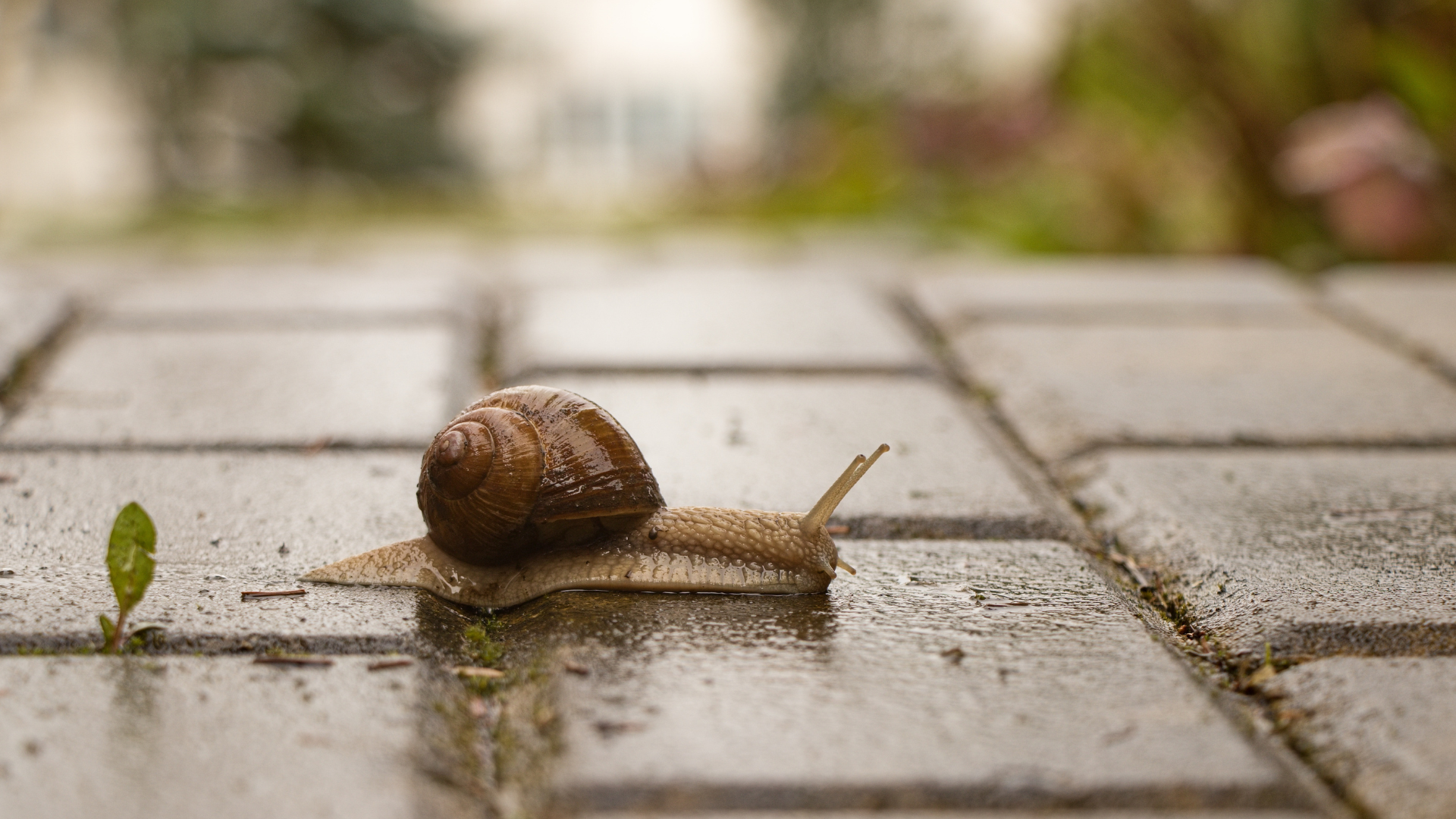
>> Try This: Gently Ease Off the Gas
Rather than forcing rest, experiment with moving through your day a little more slowly.
Choose one or two of these practices and let them be enough:
Slow your pace
Walk slightly slower than usual. Feel your feet meet the ground, like gradually downshifting instead of braking hard.Pause before eating
Take two or three deep, intentional breaths before your first bite—letting your nervous system arrive before your body receives nourishment.Practice mindful chewing
Chew slowly. Notice the texture, temperature, and flavour of your food. This signals safety to the digestive system and the nervous system.Turn your shower into a regulation ritual
As you wash your body or hair, slow your movements. Feel the warmth of the water, the pressure of your hands, and the sensations on your skin—allowing the body to unwind in stages.Choose micro-pauses
Instead of long rest periods, take 30–60 second pauses throughout the day. Place a hand on your chest, soften your jaw, and notice your breath.
Each of these moments sends a gentle message to the nervous system:
We’re easing off the gas. We’re not slamming on the brakes.
Over time, these small, intentional shifts help move the body out of chronic stress and into a more restful, regulated, and restorative state—without forcing stillness before the body is ready.
Somatic breathwork: a safer doorway into rest
This is where somatic breathwork can be a beautiful alternative to meditation.
Instead of asking the body to be still, somatic breathwork:
Keeps the system gently engaged
Gives the mind and body something to focus on
Allows stress energy to move rather than get stuck
Gradually signals safety through rhythm and sensation
It’s like gently easing off the gas instead of slamming on the brakes.
The breath becomes a bridge—helping the nervous system transition from high alert into rest at a pace it can trust.
For many people, somatic breathwork feels far more accessible than meditation in the early stages of healing. Over time, as safety increases, stillness and even meditation may naturally become available.
Redefining rest through nervous system support
Rest doesn’t have to mean doing nothing.
For a trauma-informed nervous system, rest can be:
Slow, mindful movement
Stretching or gentle yoga
Lying down with music
Being supported by another regulated body
True rest is anything that reduces survival effort.
At The Soul Work Space, we support this process through somatic psychotherapy, somatic breathwork, craniosacral therapy, and energy healing—approaches that help the nervous system slow down without being forced.
You are not broken—you are adaptive
If stillness feels unsafe, nothing is wrong with you.
Your body learned how to survive.
And healing doesn’t begin by pushing harder—it begins by listening, softening, and slowing with care.
✨ Reflection invitation:
This week, notice one place where you can ease your foot off the gas—just a little. What helps your body feel safer as it slows?
If you’d like support learning how to slow down without overwhelm, The Soul Work Space offers trauma-informed body-centered psychotherapy, breathwork, craniosacral therapy, and energy healing to support your nervous system—one safe moment at a time.