
Winter Solstice: Honouring the Dark to Reclaim Your Light
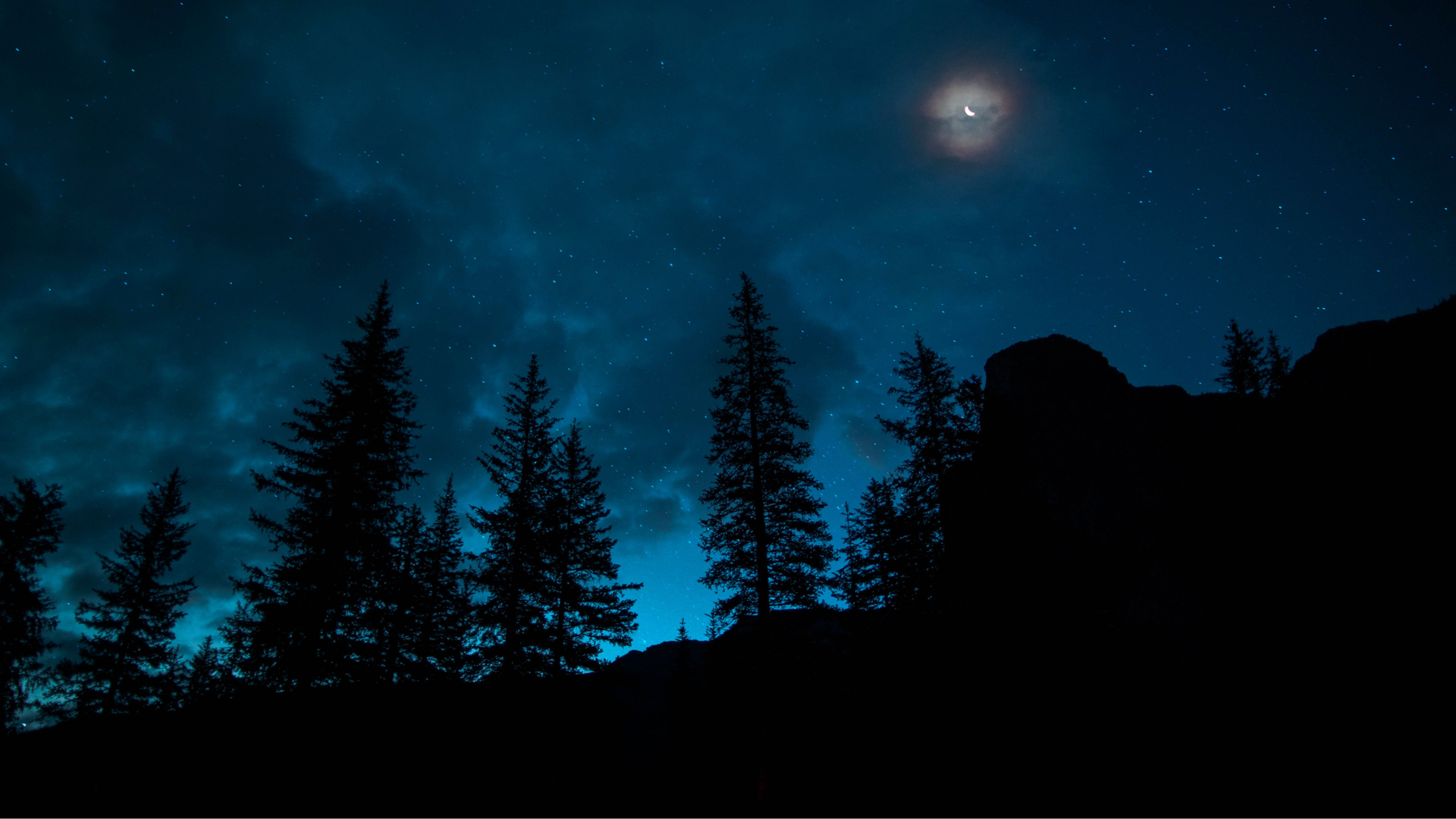
A sacred pause. A turning inward. A quiet return.
We have been conditioned to believe that darkness is something to overcome — an absence of clarity, life, or goodness. That light is always better. Faster. Safer.
But this belief is not rooted in nature.
In the Northern Hemisphere, the Winter Solstice marks the longest and darkest night of the year. Across many ancient traditions, this night was honoured not with fear, but with reverence. It marked a sacred turning — the moment when darkness reaches its fullness and the return of the light quietly begins.
Darkness, in these traditions, was never synonymous with harm. It was understood as gestation, protection, and inner knowing — the place where life begins, not where it ends.
This is not a night that asks us to understand.
It asks us to enter.
Darkness as the Source of Becoming
Every living thing begins in darkness.
The womb.
The seed beneath the soil.
Winter.
And perhaps most powerfully — the cocoon.
The caterpillar does not become a butterfly through effort or acceleration. It enters a cocoon — a protected, enclosed space — and dissolves almost entirely. Its former structure breaks down so something entirely new can be formed.
This stage is invisible.
Unproductive by external standards.
And absolutely essential.
Healing often asks the same of us.
There are seasons when the deepest repair does not come through insight, action, or expression — but through containment. Through a healing cocoon that soothes, nurtures, and gently regulates the nervous system.
In these seasons, we are not meant to push forward.
We are meant to be held.
Darkness offers the body what it needs when reorganization is underway:
safety rather than stimulation
softness rather than urgency
rhythm rather than pressure
This is why darkness is regulating. It signals to the nervous system that it is safe to slow down, safe to rest, safe to reorganize from the inside out.
Nature repeats this intelligence again and again — not only in metamorphosis, but in how all life begins.
Before anything blooms, it must first be buried.
A seed begins its life beneath the soil — covered, hidden, seemingly inert. From the outside, nothing appears to be happening. And yet, this is where the most important work begins.
The seed does not grow upward first.
It roots down.
Healing follows this same intelligence.
There are seasons when we are asked not to rise or expand, but to root — to be shaped by stillness, to allow the nervous system to feel safe enough to soften and reorganize. This is not regression. It is preparation.
Both the cocoon and the seed remind us: before we reach for the light, we must first feel safe in the dark.
If clarity feels distant, energy is low, or forward momentum has paused, it does not mean you are stuck. It may mean you are mid-metamorphosis.
Reframing Light and Dark
When we misunderstand darkness, we rush ourselves out of necessary phases of becoming.
There is a widespread misconception — both culturally and spiritually — that light is always benevolent and darkness inherently dangerous.
Yet light can expose before we are ready.
It can overwhelm, scorch, or demand clarity prematurely.
Darkness, on the other hand, allows:
gradual healing
emotional integration
intuitive listening
rest without justification
In older traditions, darkness symbolized mystery, depth, protection, and feminine wisdom — the unseen realm where intuition, dreams, and ancestral memory reside.
This is not darkness as danger.
This is darkness as initiation.

The Winter Solstice: The Return of the Light
The Winter Solstice is not a victory of darkness, but a moment of balance — where darkness completes its work and light begins its return.
From this night onward, the days lengthen almost imperceptibly at first. The light returns not as blinding sun, but as something gentler — candlelight, moonlight, hearth-fire.
A light that guides rather than demands.
This teaches us something essential:
transformation does not arrive all at once.
It begins quietly.
Patiently.
In the dark.
Rest as Sacred Preparation
When the body trusts the timing of life, rest no longer feels like failure.
Rest is not stagnation.
It is preparation.
When we rest deeply, we become resourced.
When we are resourced, we have capacity.
Capacity to listen inward.
Capacity to soften the armour.
Capacity to heal, integrate, and become.
The roots of a tree do not stop growing in winter — they deepen.
So do we.
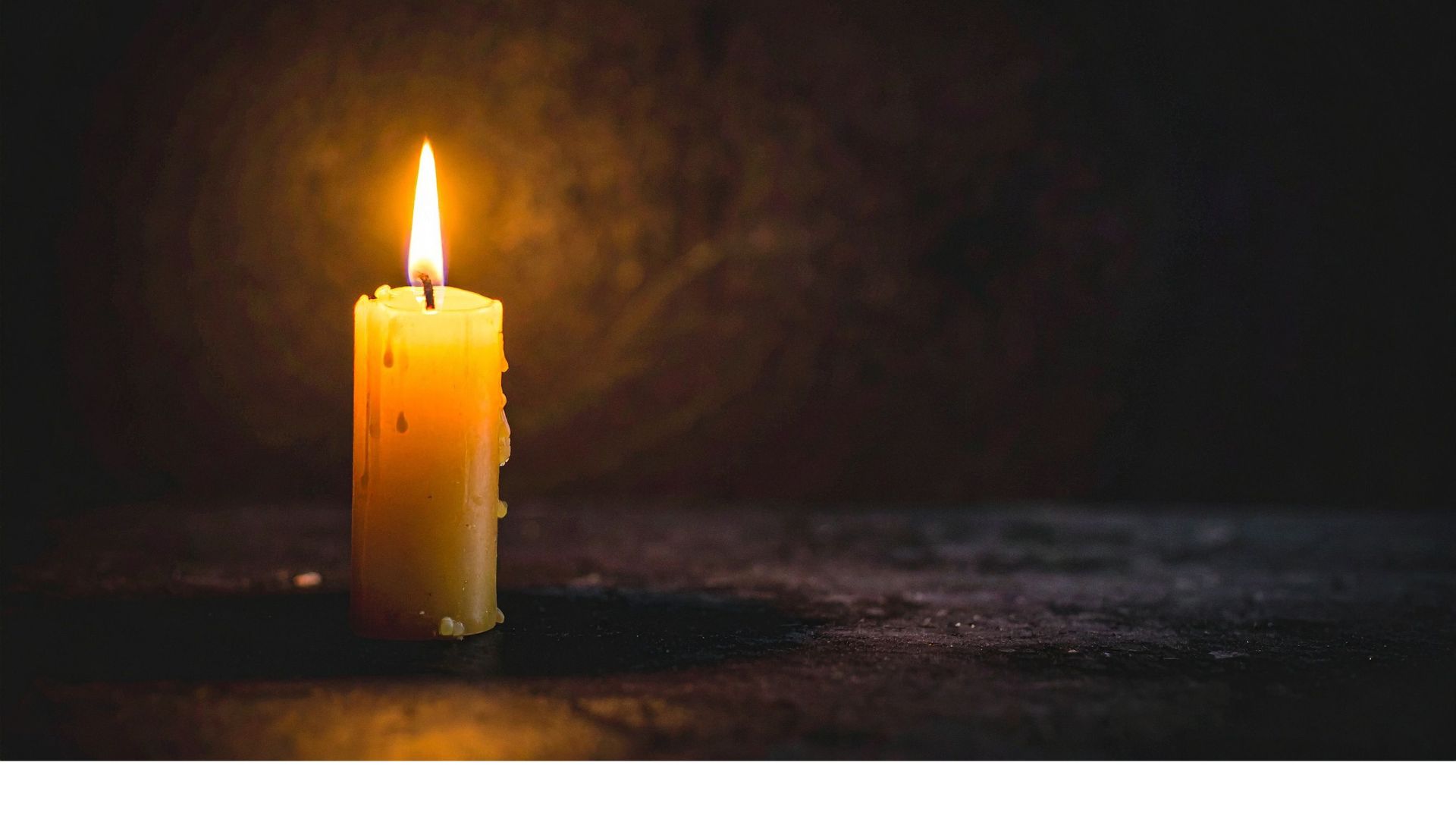
Winter Solstice Candle Meditation: Honouring the Returning Light
For thousands of years, people have gathered on this night to light candles — not to banish the dark, but to bear witness to the turning. To honour both the depth of the night and the quiet promise it holds.
This is why so many traditions mark this moment not with answers, but with flame.
What you’ll need
One candle
A quiet space
10–15 uninterrupted minutes
**A Gentle Safety Note
This Winter Solstice ritual includes the use of a candle or open flame.
If you choose to participate, please do so with care and presence.
Ensure your candle is placed on a stable, heat-safe surface, away from flammable materials, children, or pets. Never leave a lit candle unattended, and trust your intuition — if lighting a candle does not feel safe or accessible for you, you are welcome to visualize the flame instead.
The intention of this ritual is awareness, not risk.
Your safety always comes first.
The Ritual
Dim the lights. Allow the room to soften.
Sit comfortably, wrapped in warmth.
Hold the unlit candle in your hands. Feel its weight. Its steadiness.
Take a slow breath in…
And a longer breath out.
Silently acknowledge:
This is the longest night.
This is the turning point.
When you’re ready, light the candle.
As the flame appears, remember: this light does not replace the dark — it emerges from it.
Let the candle represent:
the wisdom shaped through difficulty
the resilience that carried you here
the quiet inner light that never left
Gaze softly at the flame without straining. Notice how it does not overpower the room — it coexists with the darkness. Letting your thoughts drift by, using the flame's glow as a single point of focus, and and gently redirect your focus back if your mind wanders,
When complete, gently extinguish the candle, trusting that the light continues within you.
Honouring the Season Beyond the Ritual
If you wish to deepen your connection to this Solstice, consider these gentle practices:
Somatic Rest: wrap yourself in warmth and remind your body: nothing is required of me right now.
Journaling Reflection:
What has been quietly forming within me this year?
Where am I being asked to rest rather than rush?
What inner light do I wish to tend as the days slowly brighten?
Nature Witnessing: step outside if you can. Feel the stillness. Notice how nothing is striving.
Nature is not waiting to be somewhere else.
Neither are you.
An Invitation at the Longest Night
The Winter Solstice reminds us that darkness is not a failure of light — it is its origin.
May you allow yourself to cocoon.
May you trust what is dissolving and reorganizing within you.
May you tend your inner flame with patience and reverence.
You do not need to force the light.
It has already begun to return.
What are you honouring this Solstice — and what quiet light are you ready to tend?